What is psoriasis?created at 1,554 1,554 Psoriasis is an inflammatory skin condition that shows up in several forms. The two that appear most in children are: • Plaque psoriasis. This is the most common type. If your baby has a raised, |
What are the benefits of the chicken pox vaccine?created at 1,483 It may seem unnecessary, |
How should I treat my baby's chicken pox?created at 1,557 Keep your baby home from daycare until all the sores have crusted over to prevent her from spreading the disease and to give her time to recuperate. Unfortunately, |
How do I get rid of lice?created at 1,577 Because lice can travel from one head to another, |
What substances are most likely to cause a severe reaction?created at 1,722 There are many possible allergens, |
What is anaphylactic shock?created at 1,446 Anaphylactic shock (also called anaphylaxis) is a rapid and severe allergic reaction, |
How do I treat a sting if my child doesn't have an allergic reaction?created at 1,742 If there's a stinger, |
What if he's allergic to the insect?created at 1,353 In rare cases, |
Can my child be cured of asthma?created at 1,384 There's no cure for asthma, |
Stopping an asthma attackcreated at 1,370 Your doctor will probably prescribe one or more drugs for your baby. Drugs known as quick relievers are used to stop an asthma attack. These fast-acting medications relieve the spasms in the airway, |
What should I do if the rash doesn't get better?created at 1,347 Talk with your baby's doctor or a pediatric dermatologist. If the rash doesn't get better after following the suggestions above, |
Could my baby's eczema be caused by a certain food?created at 1,449 Eczema is not a specific allergy, |
What can I do to treat my baby's eczema?created at 1,555 Taking good care of your baby's skin is crucial. Here are some tips: Try to keep your baby's skin from becoming too dry. Talk with her doctor about how often to bathe her. Many experts now believe that daily bathing can be helpful for babies with eczema. J... |
What other problems happen as a result of sinusitis?created at 1,519 I have seen patients with problems like hives which wouldn't get better, |
How are head and neck cancers staged and what, created at |
What are the warning signs of head and neck cancers?created at 2,009 Warning signs of head and neck cancers depend on the location of the cancer. Sometimes there are no warning signs. That's why men and women over 40 may wish to get an annual cancer-related health checkup, |
What are the major contributing factors for head and neck cancers?created at 2,437 The major causes (etiologic factors) for head and neck cancers are tobacco and alcohol use, |
What if the surgery doesn't help for sinus surgery ?created at 1,484 First, |
What is done if I have to have sinus surgery?created at 1,599 You should first understand that I am not a surgeon, |
Sinus Surgery: When Is It Necessary?updated at 1,603 A small subset of individuals suffering from chronic sinusitis may find themselves unresponsive to even the most comprehensive medical treatments.Research suggests that, |
What effect do nasal polyps have on sinus problems?created at 1,385 Nasal polyps are not true polyps but rather are probably caused by inflammation in the nose. They look like peeled grapes but are basically fluid-filled sacs. They can be found anywhere in the sinuses or nose and commonly are associated with sinus infectio... |
What kind of effects do tobacco smoke and other irritants have on the sinuses?created at 1,875 Tobacco smoke and various other irritants may cause worsening of symptoms. Those irritants include auto exhaust, |
Why do I have to keep my nose clear? I can breathe through my mouth.created at 1,525 While you can breathe through your mouth, |
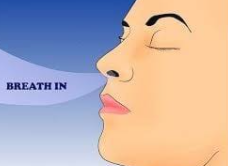
Why do we have sinuses?updated at 1,991 The sinuses are air-filled spaces located within the bones of your skull.These cavities, |
What is the treatment for Lyme disease?updated at 1,389 Key Points about Lyme Disease Treatment?:Antibiotics are the Primary Treatment: The standard treatment for Lyme disease is with antibiotics.Early Treatment is Crucial: Antibiotics are most effective when started as early as possible after infection.Prompt ... |
What are the symptoms of Lyme disease?created at 2,111 Lyme disease can affect any part of the body and cause many different symptoms. The commonest symptoms relate to the person feeling unwell, |
How to remove Attached Ticks ?updated at 1,746 Prompt tick removal is crucial, |
Side effects of Vulvar Cancer Surgeryupdated at 1,839 Curative surgery for vulvar cancer, |
Questions a woman may want to ask her doctor before treatment begins for vulvar cancercreated at 1,264 Here are some questions a woman may want to ask her doctor before treatment begins: What is my diagnosis? What is the stage of the disease? What are my treatment choices? Which do you recommend for me? Why? What are the chances that the treatment will be s... |
Side effects of radiation therapy for ovarian cancercreated at 1,427 Radiation therapy mainly causes fatigue, |
How will my doctor know if I have ovarian cancer?created at 1,410 Women who have regular pelvic exams increase the chance that, |
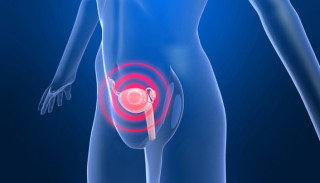
What are the Causes and Risk Factors for Ovarian Cancer?updated at 1,714 While pinpointing the exact cause of ovarian cancer in any individual is complex, |
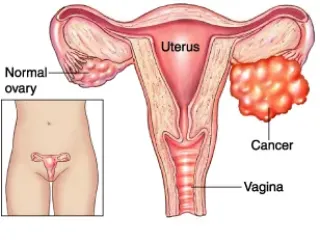
Things to preapre for Cervical Cancer Treatmentcreated at 1,417 Here are some questions you may want to ask your doctor before treatment begins: What is the stage (extent) of my disease? What are my treatment choices? Which do you recommend? Why? What are the chances that the treatment will be successful? Would a clini... |
How is cancer of the cervix treated?updated at 1,969 Cervical Cancer Treatment OptionsTreatment for cervical cancer is highly individualized, |
What is the difference between precancerous conditions and cancer of the cervix?created at 1,423 Cells on the surface of the cervix sometimes appear abnormal but not cancerous. Scientists believe that some abnormal changes in cells on the cervix are the first step in a series of slow changes that can lead to cancer years later. That is, |
The treatment for Pancreatic Cancer? What should I ask?created at 1,397 Three kinds of treatment are used for pancreatic cancer: Surgery – taking out the cancer in an operation Radiation therapy – using high-dose x-rays or other high-energy rays to kill cancer cells Chemotherapy – using drugs to kill cancer cells A doctor m... |
What are the causes and risk factors for Pancreatic Cancer?updated at 1,757 Pinpointing the exact cause of pancreatic cancer in each individual is challenging.However, |
The symptoms for liver cancer?created at 1,604 These symptoms might be caused by liver cancer: Unexplained weight loss Anorexia (persistent lack of appetite) Early satiety (feeling very full after a small meal) Persistent abdominal pain Increasing abdominal girth (swelling of the "stomach" area) with o... |
Radiation Therapy for Colorectal Cancercreated at 1,491 Radiation therapy (also called radiotherapy) is the use of high-energy rays to damage cancer cells and stop them from growing. Like surgery, |
Chemotherapy for Colorectal Cancercreated at 1,450 Chemotherapy is the use of drugs to kill cancer cells. Chemotherapy is sometimes given after surgery for colorectal cancer to try to prevent the disease from recurring, |
What do I need to know about the treatment for colorectal cancer?created at 1,556 The doctor develops a treatment plan to fit each patient’s needs. Treatment for colorectal cancer depends on the size and location of the tumor, |
How will I be diagnosed for colorectal cancer?created at 1,819 To find the cause of symptoms, |
What can I do to detect it?created at 1,666 Most health problems respond best to treatment when they are diagnosed and treated as early as possible. This is especially true of colorectal cancer. Treatment is most effective before the disease spreads. People can take an active role in the early detec... |
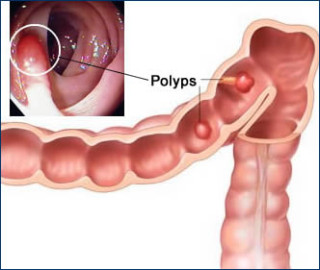
The risk factors for developing colorectal cancer?created at 1,950 Some people are more likely to develop colorectal cancer than others. Studies have found that certain factors increase a person’s risk. The following are risk factors for this disease: Polyps – Most (perhaps all) colorectal cancers develop in polyps. Pol... |
How do I prevent colon-rectal (colorectal) cancer?created at 1,684 Although colorectal cancer is one of the most common types of cancer in the United States, |
What are the side effects of treatment for thyroid cancer?created at 1,657 The methods used to treat thyroid cancer are very powerful. That's why treatment often causes side effects. Fortunately, |
What are the treatment options for thyroid cancer?created at 1,622 Because of advances in diagnosis and treatment of thyroid cancer, |
What are the types of brain tumors?created at 2,830 There are primary and secondary brain tumors. Tumors that begin in brain tissue are known as primary tumors. Secondary tumors are when cancer spreads from another site to the brain, |